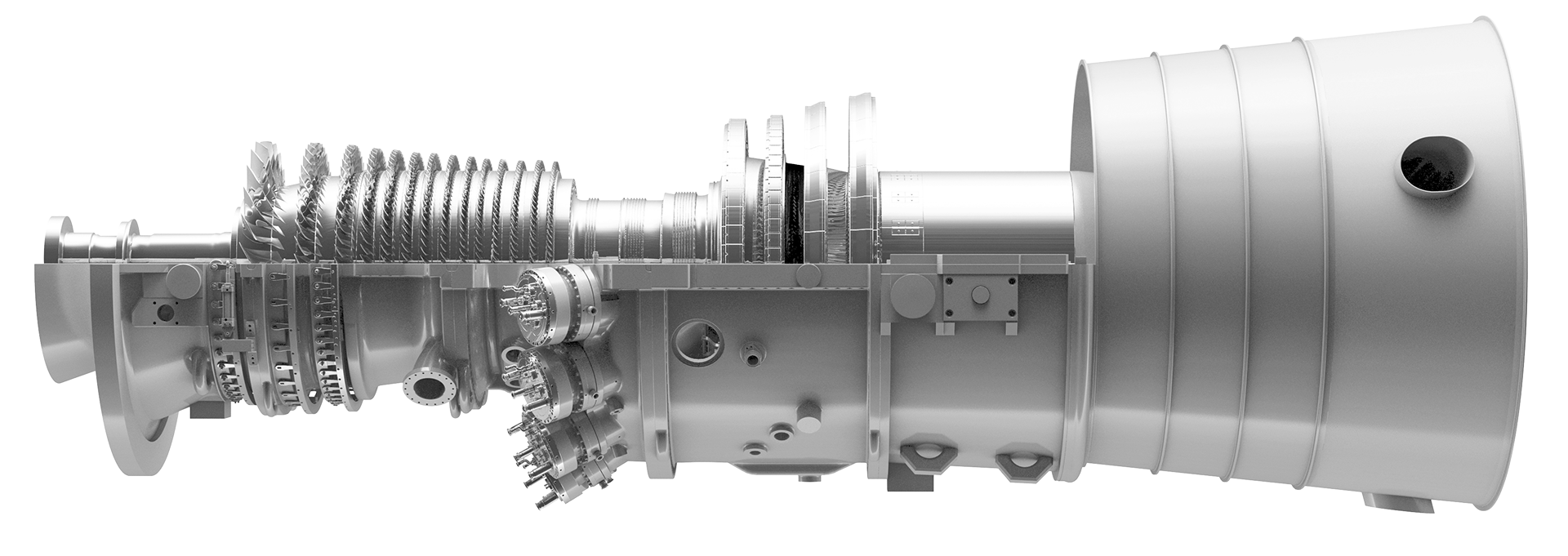
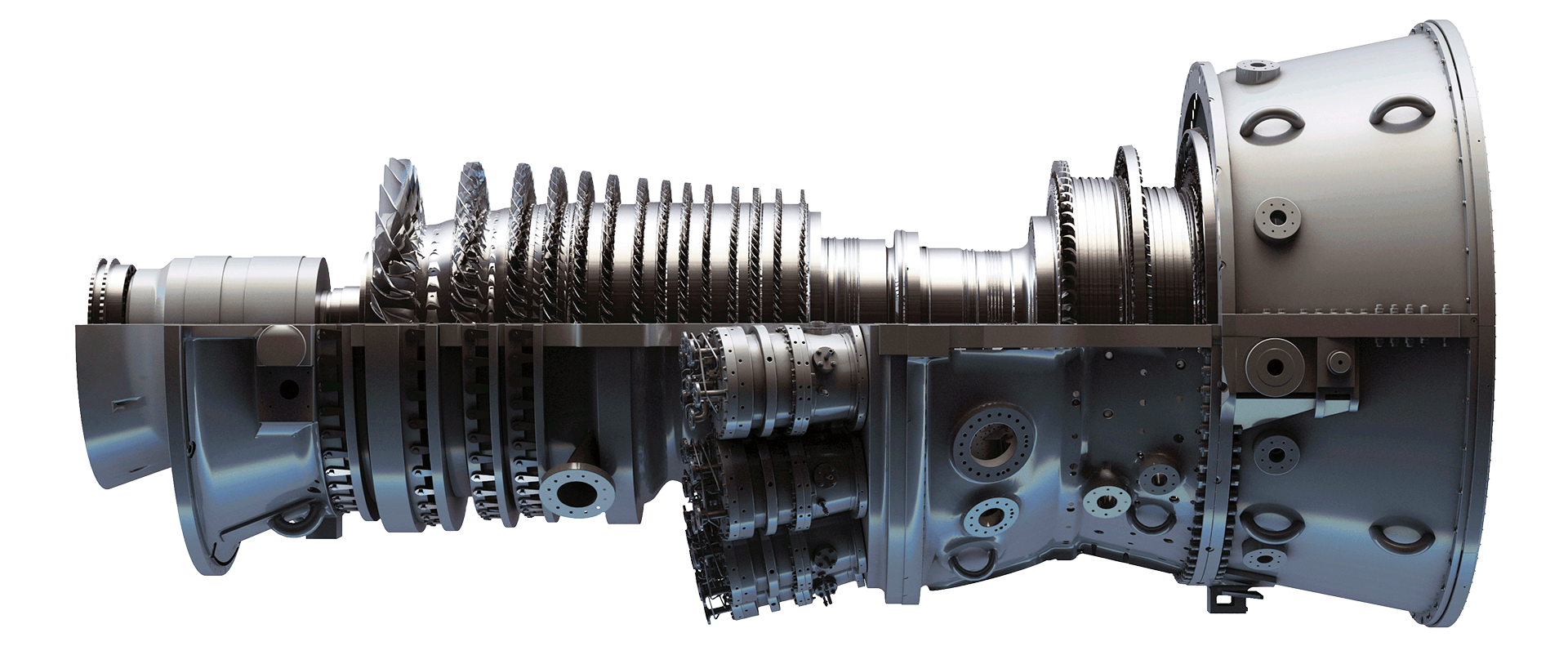
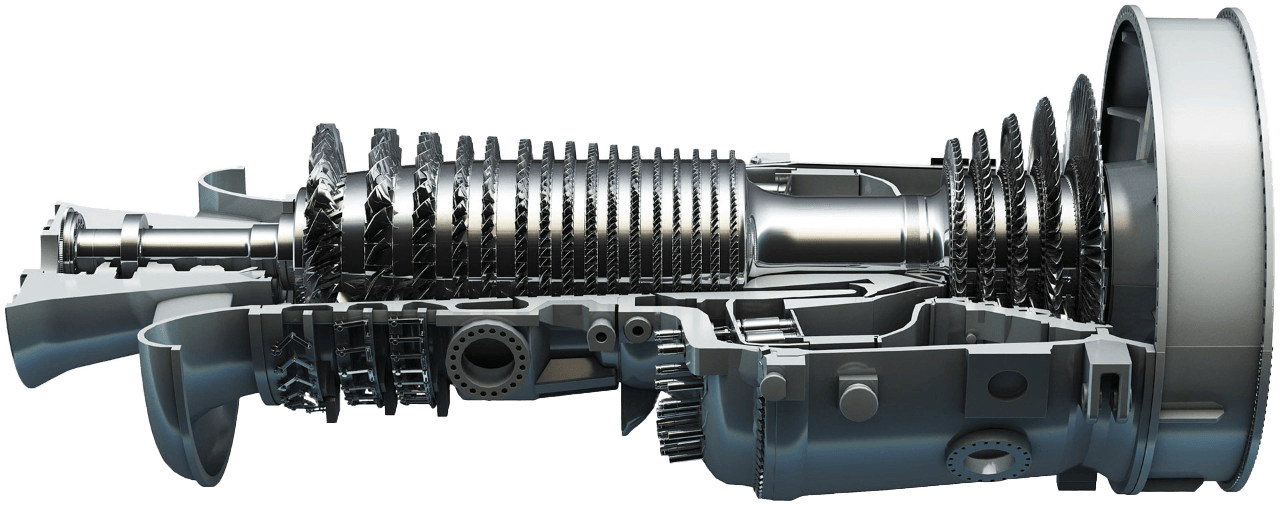
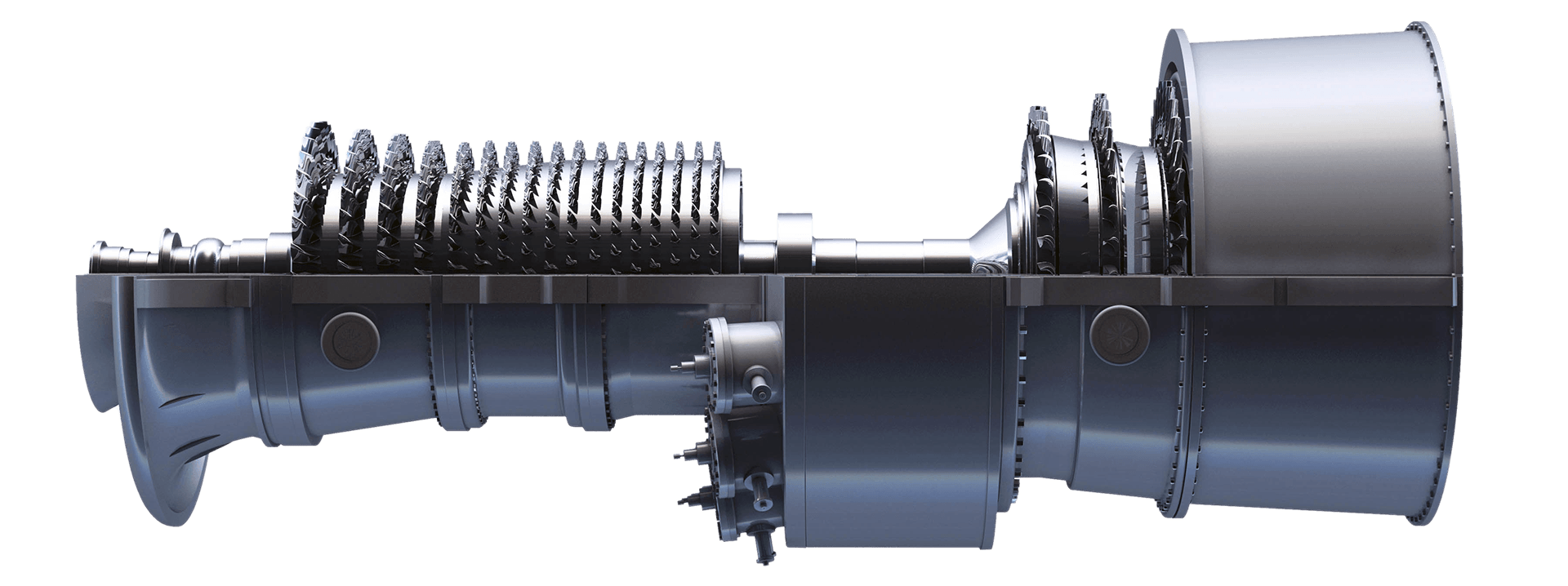
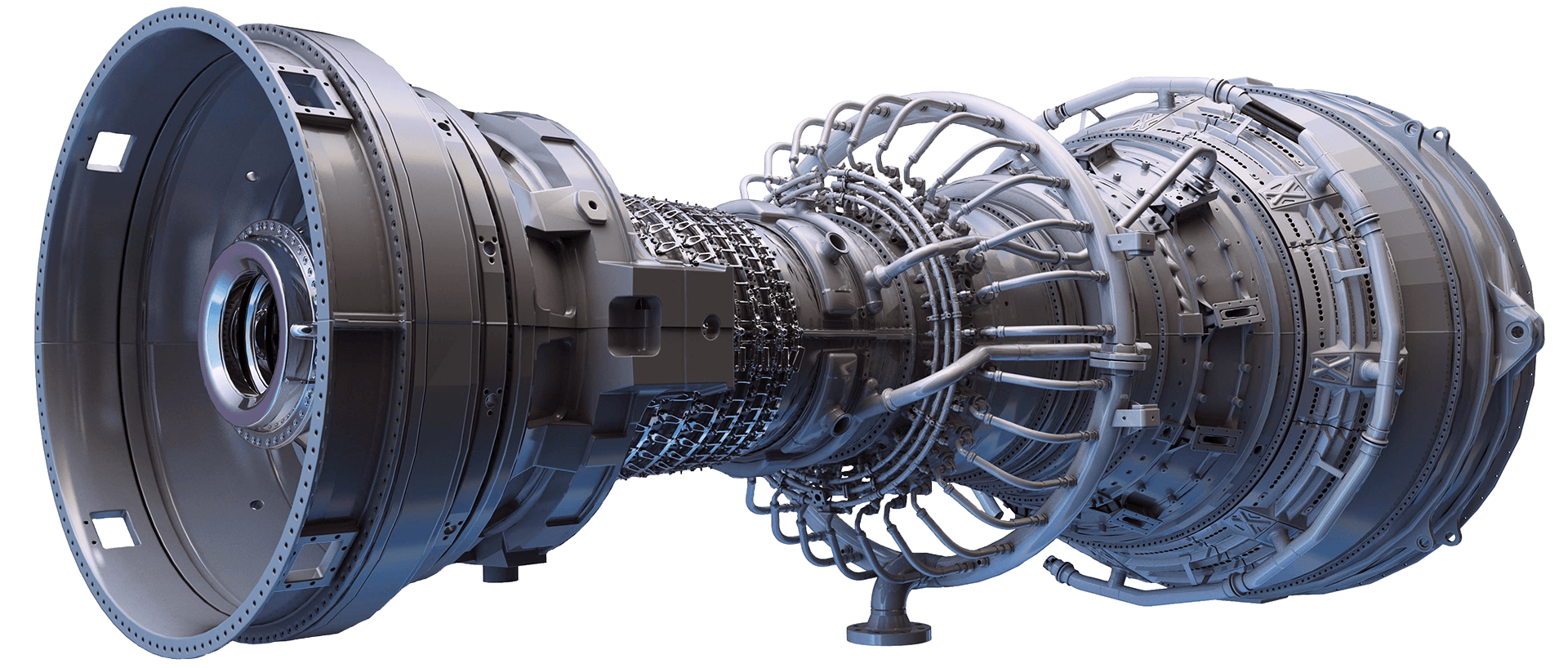
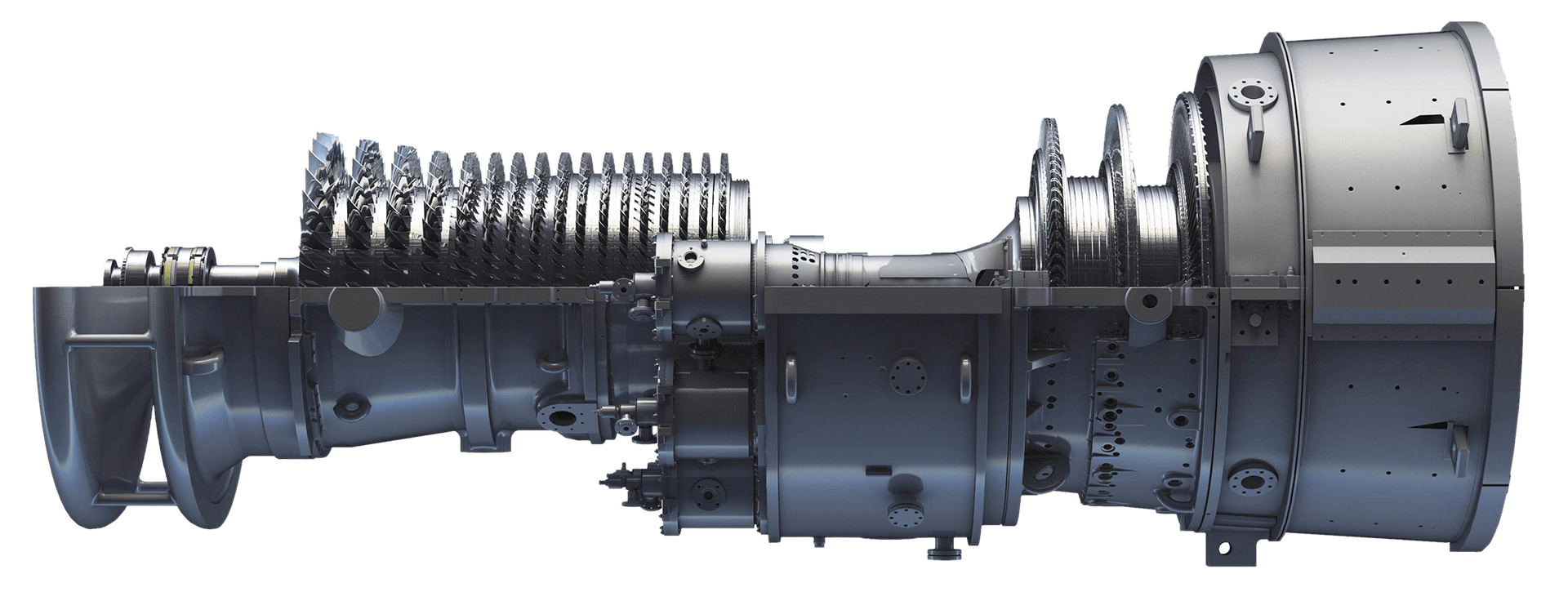
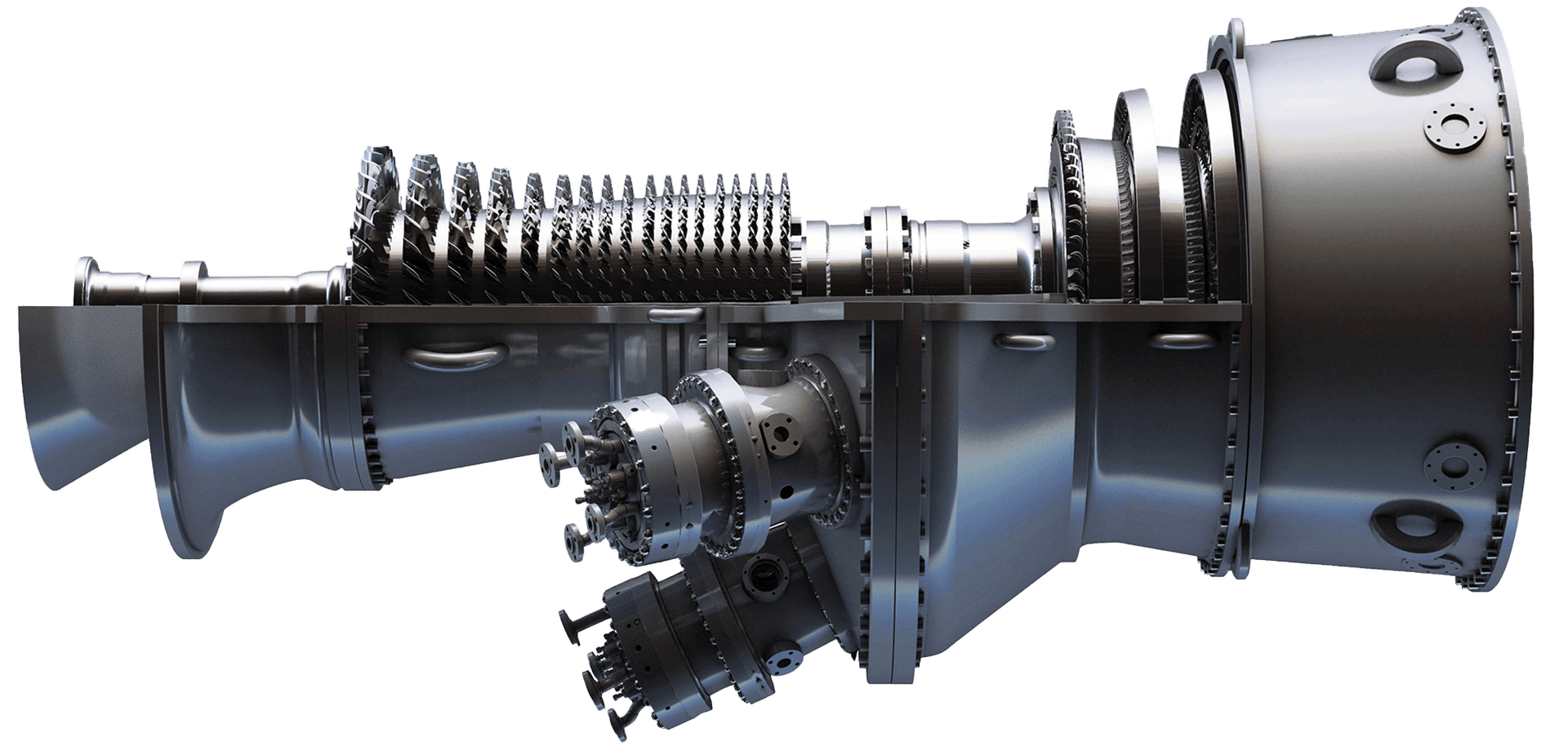
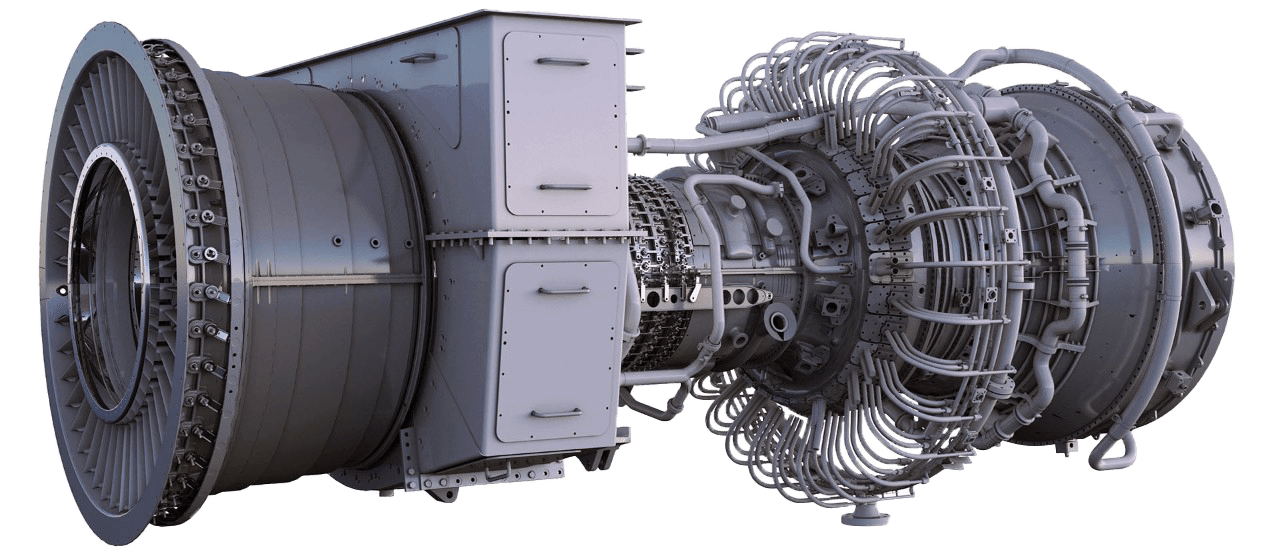
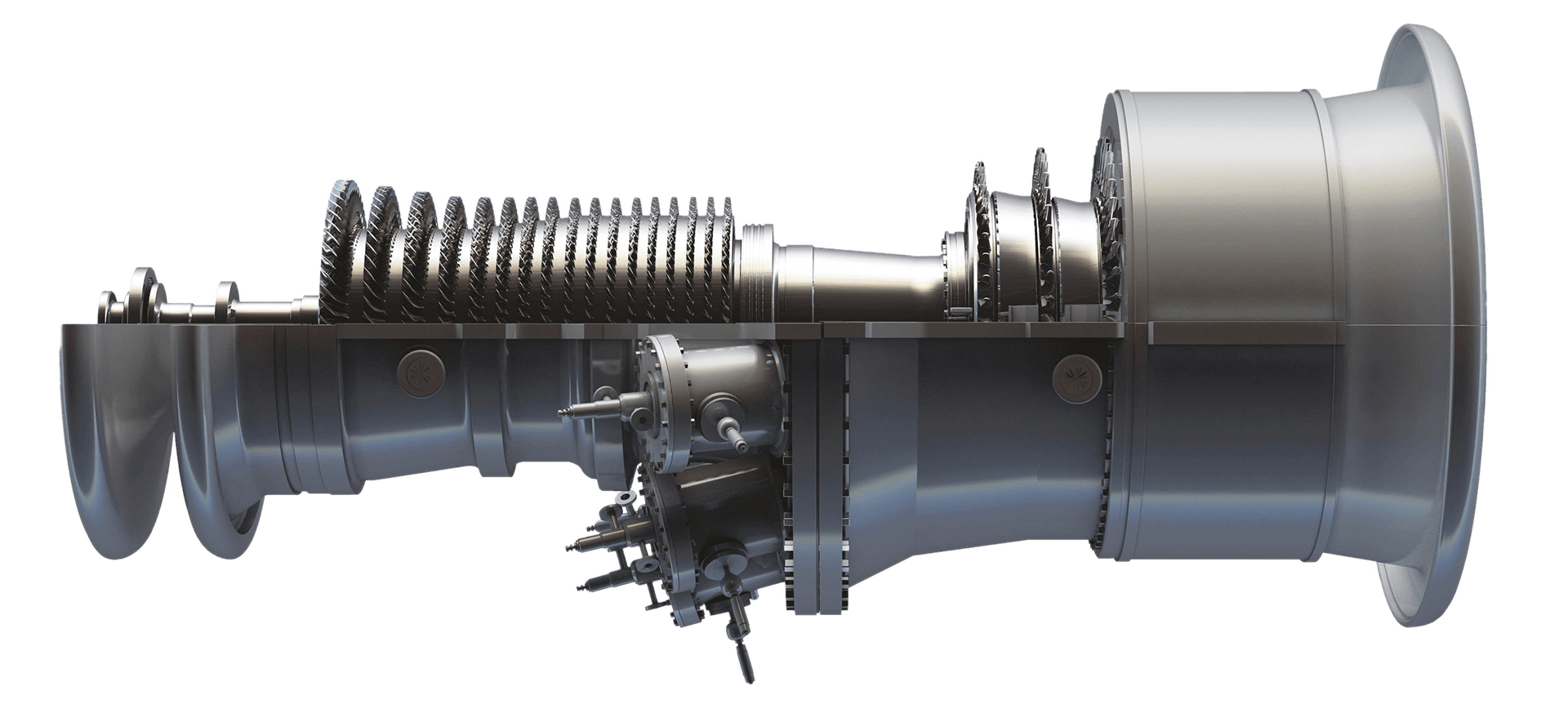
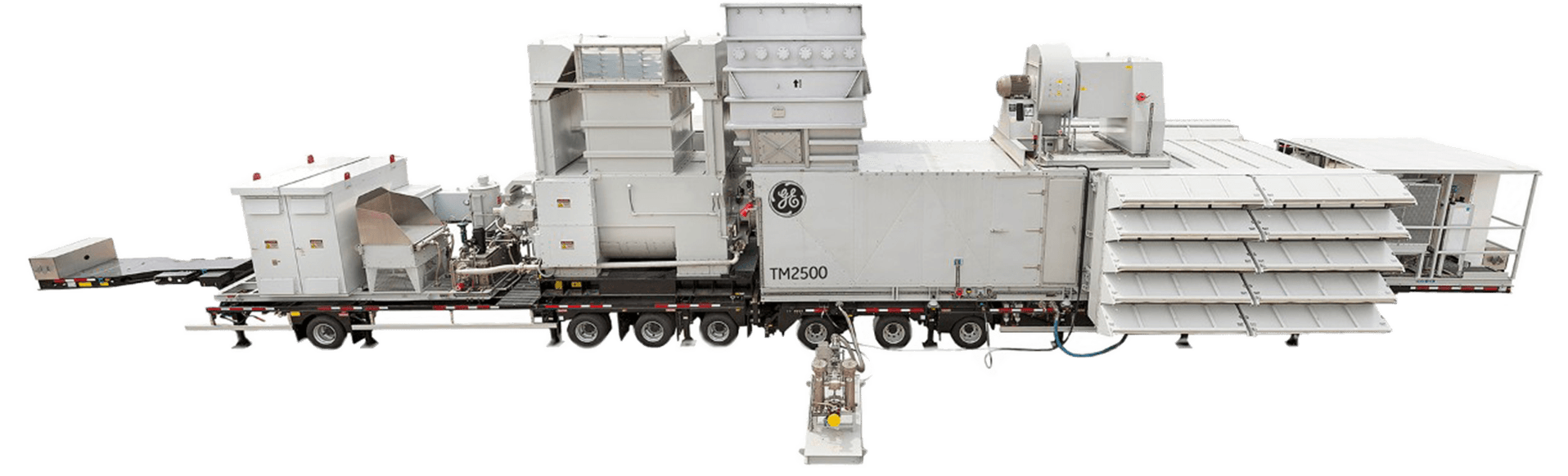
Output EnhancementBecause synthetic gas (syngas) has a low heating value compared to natural gas, significantly more fuel must be injected in an IGCC turbine than a natural gas turbine. Therefore, the mass-flowand thus the output powerof the gas turbine is much higher for an IGCC application. For the same reason, the gas turbine's output power is flat-rated to very high temperatures.
Emission ReductionIGCC SOx, NOx, and particle emissions are fractions of those of a conventional pulverized coal boiler power plant. As a consequence, meeting air emissions regulations and obtaining local and governmental environmental permits for an IGCC plant requires significantly less effort and time. IGCC enjoys recognition from environmental groups as the best environmental solution for power from coal. Nitrogen OxidesTo moderate NOx emissions, steam, water, carbon dioxide and/or nitrogen can be injected into the gas turbine's combustor. Nitrogen is usually available from the cryogenic air separation unit, so it is convenient to use in the IGCC process. Fuel moisturization using low-level process heat is also used frequently. These techniques can achieve NOx emissions that are similar to dry low NOx (DLN) technology. The best available control technology reduces NOx emissions to about 15 ppm currently, and is expected to reduce NOx emissions to less than ten ppm in the near future. Air PollutantsDuring the IGCC process, harmful pollutants are removed from the synthetic gas before they reach the gas turbine, so exhaust gas cleanup is unnecessary. MercuryIGCC technology facilitates the removal of a high percentage of mercury at low cost. IGCC gas turbines do not require expensive back-end flue gas mercury removal systems. Activated carbon bed filters in syngas and recycled water streams remove 90 to 95 percent of the mercury for only $20 to $30 USD per kW installed. The carbon bed has a lifetime of 12 to 18 months. Carbon DioxideIn IGCC plants, carbon can be removed from the syngas before combustion to create a high-hydrogen fuel, effectively eliminating carbon dioxide emissions. In conventional boiler plants, carbon is removed from the exhaust gas after combustion, which is much more expensive due to the larger gas volume from post-combustion cleanup (about 10 to 1). Reliability, Availability & MaintenanceThe cost of electricity is affected by reliability, availability and maintenance (RAM) performance in a manner similar to plant cost and fuel efficiency. Generally, RAM performance is improved during the design stage by incorporating lessons learned from previous plants. Gas turbine suppliers can do some of this based on their experience in other fields, but actual IGCC experience is critical. GE has more than 350,000 hours of directly relevant experience, including some turbines that have accumulated more than 30,000 hours of operation on synthetic gas (syngas). Based on this experience, we conclude that an IGCC plant can have the same RAM performance as a natural gas combined cycle plant. The IGCC gas turbine must meet specific conditions to realize this high level of performance. For example, the higher hydrogen content in the syngas fuel which produces more water and the increased flow of syngas increase metal temperatures in the hot gas path. GE has developed a control system that mitigates this effect by lowering the firing temperature to keep the metal temperatures similar to those in natural gas turbines. Maintenance Service AgreementsWe offer maintenance service agreements at a cost similar to natural gas turbines, along with availability guarantees. Many IGCC plants have found maintenance service agreements to be a way to make IGCC technology economically viable. |
Know More About IGCC |